The speed of change in Garabagh and East Zangazur is beginning to redefine what post-conflict reconstruction can look like. Less than five years after Azerbaijan restored full sovereignty over its internationally recognised territories, districts once associated with abandoned towns, ruined villages, and destroyed infrastructure are rapidly emerging as some of the country's most ambitious development zones. Modern highways slice through mountain ranges, international airports connect previously inaccessible districts, new power plants feed growing settlements, while smart villages and modern urban centres are replacing decades of devastation. What is unfolding is no longer simply reconstruction. It is the creation of an entirely new regional economy that is poised to become one of Azerbaijan's principal engines of long-term growth.
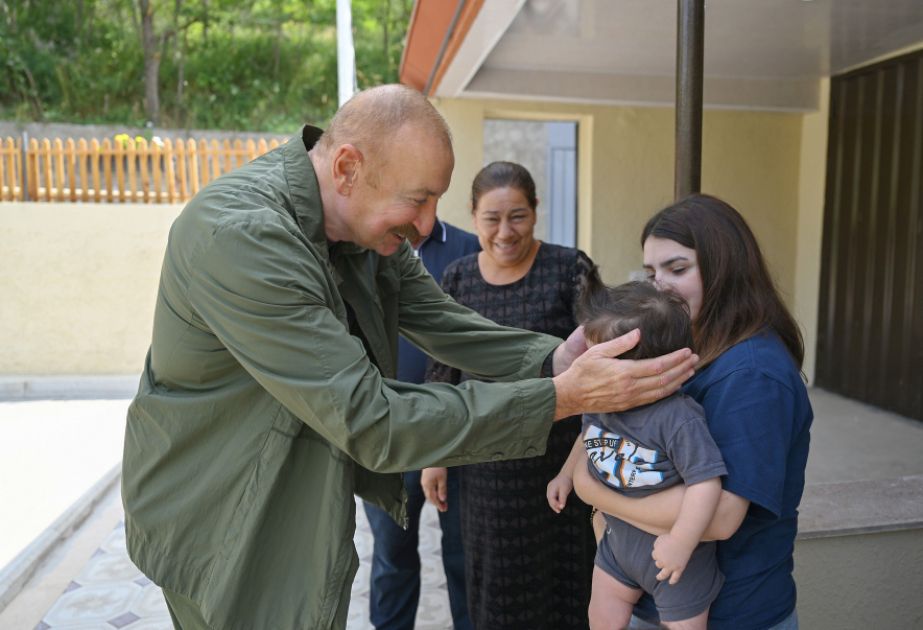
President Ilham Aliyev's latest visit to Shusha, Khojavand, Khankendi and Lachin offered another glimpse into the extraordinary pace of this transformation. His regular inspections have become more than ceremonial visits; they serve as strategic reviews of one of the largest state investment programmes in Azerbaijan's history. Every visit demonstrates measurable progress, from newly completed roads and tunnels to schools, hospitals, residential neighbourhoods and industrial facilities that are steadily restoring life across the liberated territories.
Infrastructure has become the backbone of Azerbaijan's vision for Garabagh. Efficient transport links are reconnecting districts that remained isolated for decades, while new electricity transmission networks, renewable energy projects, water reservoirs and digital infrastructure are creating conditions for sustainable economic activity. These investments are designed not merely to support returning residents but to attract businesses, develop agriculture, expand tourism, stimulate manufacturing and strengthen Azerbaijan's position along the rapidly growing Middle Corridor connecting Asia with Europe.
The significance of this approach extends well beyond domestic development. Garabagh and especially East Zangazur occupy a strategic geographical position linking western Azerbaijan with regional transport routes. As logistics infrastructure expands, these territories are expected to become important hubs for trade, freight movement and regional connectivity, complementing Azerbaijan's broader ambition to establish itself as Eurasia's leading transport and logistics centre.
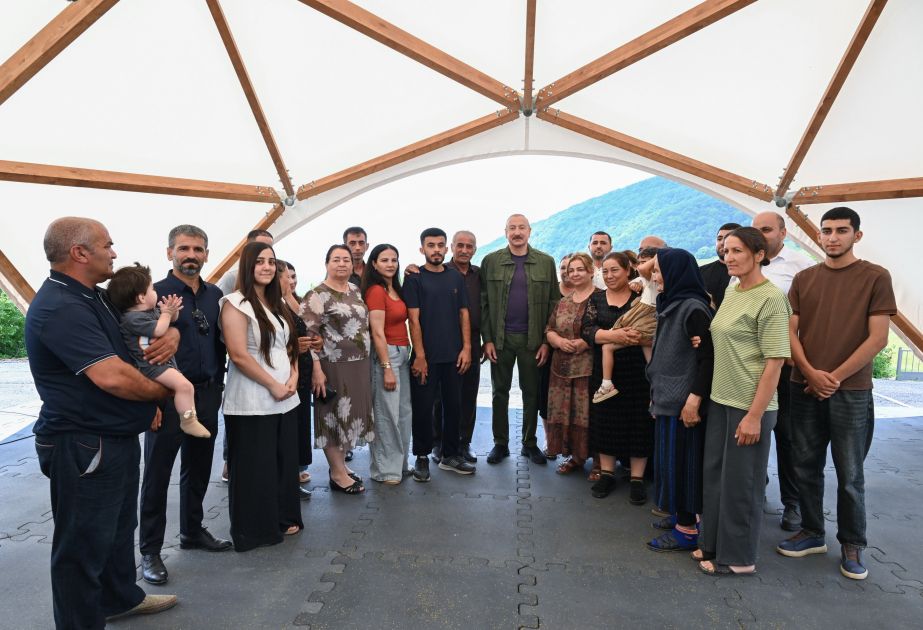
Among the most meaningful moments of the President's visit were his meetings with returning residents in Shusha's Kichik Galaderesi village and the residents in Khojavand's Guzeykhirman village. The encounter reflected the true objective of reconstruction: bringing people back home. Roads, buildings and public facilities only acquire lasting value when communities return to fill them with life. Families who were displaced for decades are now rebuilding their futures in newly constructed homes equipped with modern infrastructure and public services.
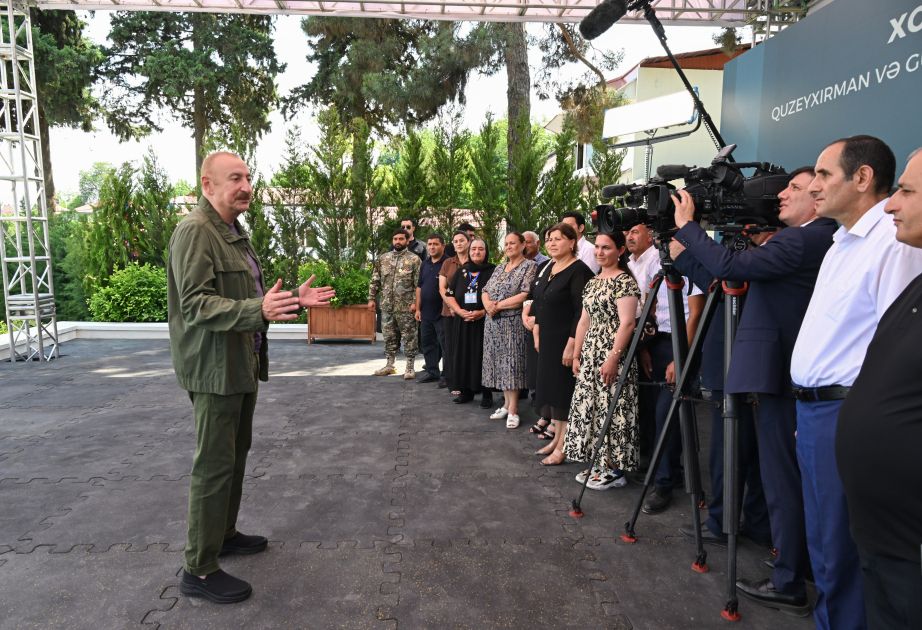
Addressing residents, President Aliyev reaffirmed the purpose behind Azerbaijan's reconstruction policy, declaring:
"Today, more than 90,000 people live, work, and study in the liberated territories, and their number increases every month and will continue to grow."
The statement captures the central achievement of Azerbaijan's post-conflict strategy. Victory on the battlefield has evolved into restoration through development, turning liberated territories into places where citizens can once again build prosperous lives.
Moreover, the economic dividends are already becoming visible. Improved infrastructure is encouraging investment in agriculture, mining, renewable energy, tourism and light industry. Shusha continues to strengthen its position as Azerbaijan's cultural capital, attracting domestic and international visitors. Lachin's natural landscapes offer growing opportunities for eco-tourism, while Khankendi and Khojavand are gradually integrating into the country's wider economic network. Together, these developments are creating new jobs, expanding business opportunities and laying the foundations for sustained regional prosperity.
President Aliyev's continued personal oversight demonstrates that Garabagh remains at the heart of Azerbaijan's national development agenda. His visits consistently reinforce the message that reconstruction is not solely about replacing what was lost, but about building something significantly better than before.
The transformation of Garabagh and East Zangazur has therefore become much more than a reconstruction programme. It is the most visible expression of Azerbaijan's restored sovereignty, its confidence in its own economic capabilities and its determination to convert historic victory into lasting prosperity. If the current pace continues, the liberated territories will not only stand as symbols of national resilience but will increasingly serve as one of the country's strongest drivers of economic growth, regional connectivity and sustainable development for decades to come.

